RFSymptoms: Safety netting advice
ChildrenChickenpox
DATE LAST REVIEWED: 05/11/2026
When to seek further review
- Get urgent advice today if the skin around spots becomes hot, painful or increasingly red, or if drinking is poor or there is less pee than usual.
- Seek urgent advice if symptoms are getting worse, breathing becomes more difficult, or there is concern about dehydration.
- Contact a GP urgently after exposure to chickenpox if pregnant, immune defences are weakened, or a newborn may have been exposed. Do not wait for a rash.
- Tell the surgery about possible chickenpox before attending. Illness usually settles over 1 to 2 weeks; contact the GP if recovery is not progressing as expected.
- Do not wait for the suggested review time if symptoms become worse, new symptoms appear, or you are worried.
- Contact your GP when the surgery is open. If it is closed, you cannot get the help you need, or you are unsure what to do, call NHS 111. You can call even if you are not sure whether the symptoms are serious.
When to get emergency help
(Immediately dial 999 or go to your nearest Emergency Department)
- Severe difficulty breathing or chest pain with worsening breathing.
- A severe headache with a stiff neck, confusion or difficulty waking.
- A seizure, collapse or rapidly worsening illness.
- A rash or bruising that does not fade when pressed, especially with feeling very unwell.
- Severe difficulty breathing, pauses in breathing, grunting, or the skin pulling in deeply under or between the ribs.
- Being very difficult to wake or unresponsive.
- Being unusually floppy, confused or not responding as usual.
- Blue, grey, very pale or blotchy skin, lips or tongue.
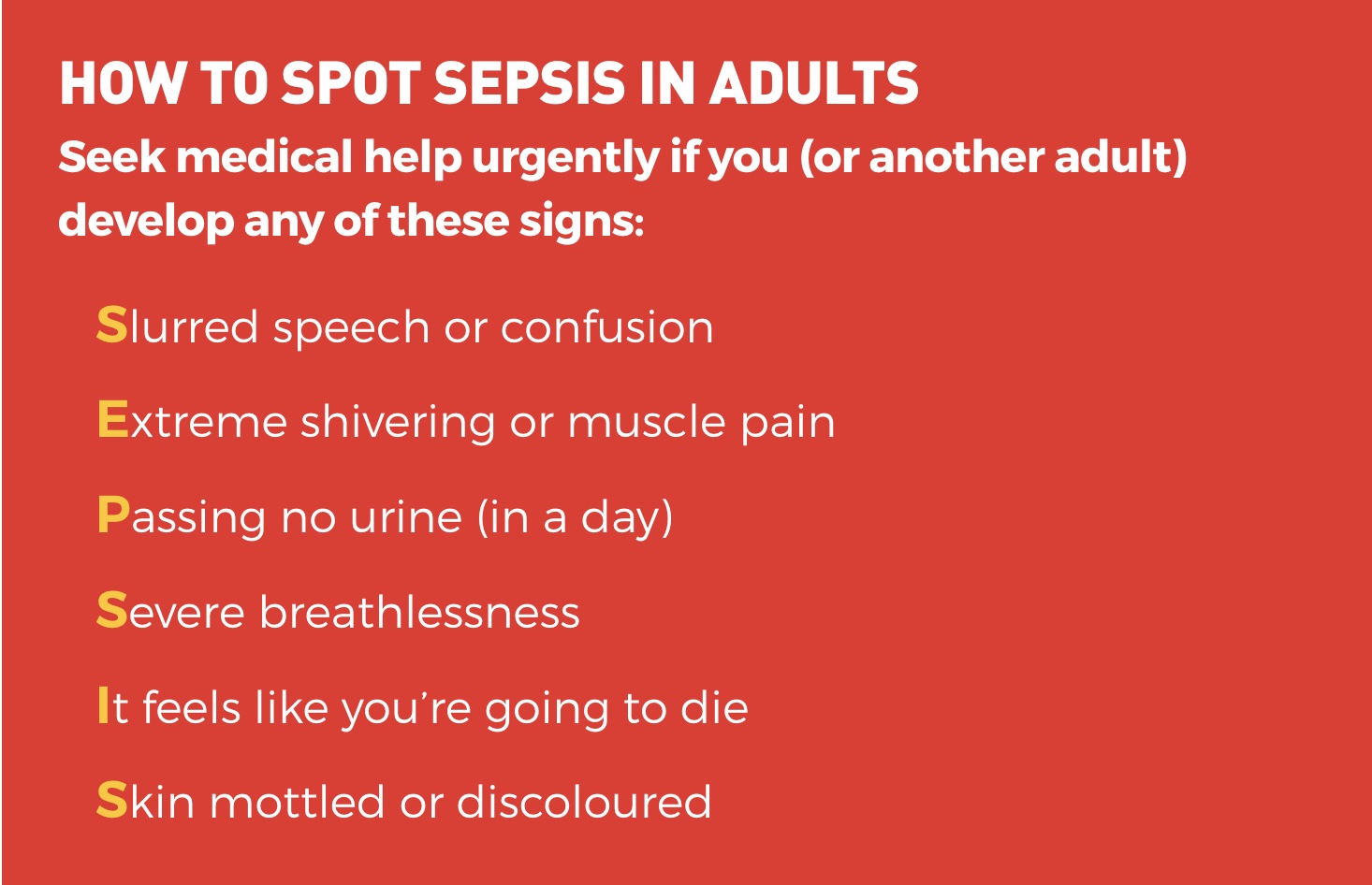
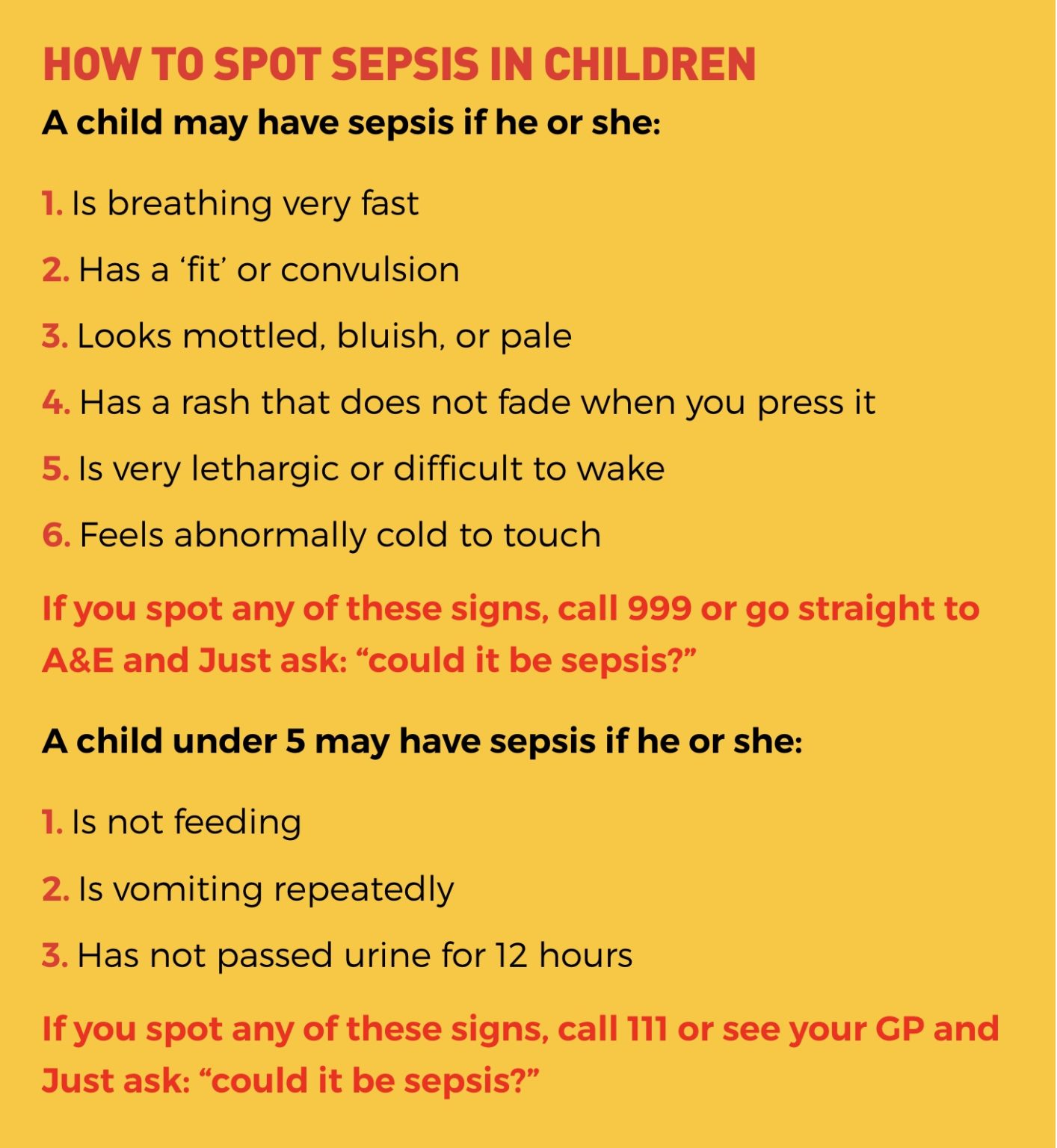
How to spot sepsis
Sepsis is a life-threatening reaction to an infection. It can get worse quickly. If someone is seriously unwell and may have sepsis, call 999 or go to your nearest Emergency Department. Do not wait for every sign, a high temperature or a rash.
An unwell child under 5 who has not had a pee or wet nappy for 12 hours needs emergency assessment. If you are unsure and there are no emergency signs, call NHS 111 for advice.
Sources
- NHS - Chickenpoxhttps://www.nhs.uk/conditions/chickenpox/
- NHS - Fever in childrenhttps://www.nhs.uk/symptoms/fever-in-children/
- NHS - Sepsishttps://www.nhs.uk/conditions/sepsis/
- NHS - When to use NHS 111https://www.nhs.uk/nhs-services/urgent-and-emergency-care-services/when-to-use-111/