RFSymptoms: Safety netting advice
AdultsStye or eyelid cyst
DATE LAST REVIEWED: 05/11/2026
When to seek further review
- Ask a pharmacist, optometrist or GP for advice if a stye is not improving within a few weeks, an eyelid lump persists or keeps returning, or the diagnosis is uncertain.
- Get urgent advice today for a hot, painful or very swollen eyelid, pain in the eye itself, sensitivity to light, a very red eye or changes in vision.
- A newborn under 1 month with a red or sticky eye needs urgent GP assessment.
- Do not squeeze or pierce the lump, or try to remove an eyelash yourself.
- For mild symptoms without any of the urgent or emergency warning signs listed here, a community pharmacist can advise on self-care and suitable medicines. Tell them the patient’s age, other medicines and any pregnancy or breastfeeding. They can direct you to another service if needed.
- An optometrist (optician) can assess many eye or eyelid problems and advise whether specialist treatment is needed. Contact them promptly for a painful red eye or vision changes; if unavailable, call NHS 111. Follow the emergency advice below for sudden loss of vision or other emergency symptoms.
- Do not wait for the suggested review time if symptoms become worse, new symptoms appear, or you are worried.
- If you need medical advice and are unsure which service can help, call NHS 111. This includes when your GP is closed or you cannot get the help you need. NHS 111 can direct you to an appropriate local service. You can call even if you are not sure whether symptoms are serious.
When to get emergency help
(Immediately dial 999 or go to your nearest Emergency Department)
- Sudden loss of sight.
- A swollen eye that bulges forward, cannot move normally, or is painful to move, especially with a fever.
- A chemical splash, an object piercing the eye, or a serious eye injury.
- Severe difficulty breathing, such as gasping or being unable to speak normally.
- New confusion or not making sense when speaking.
- Being very difficult to wake.
- Collapse or loss of consciousness.
- Blue, grey, unusually pale or blotchy skin or lips, especially when feeling very unwell.
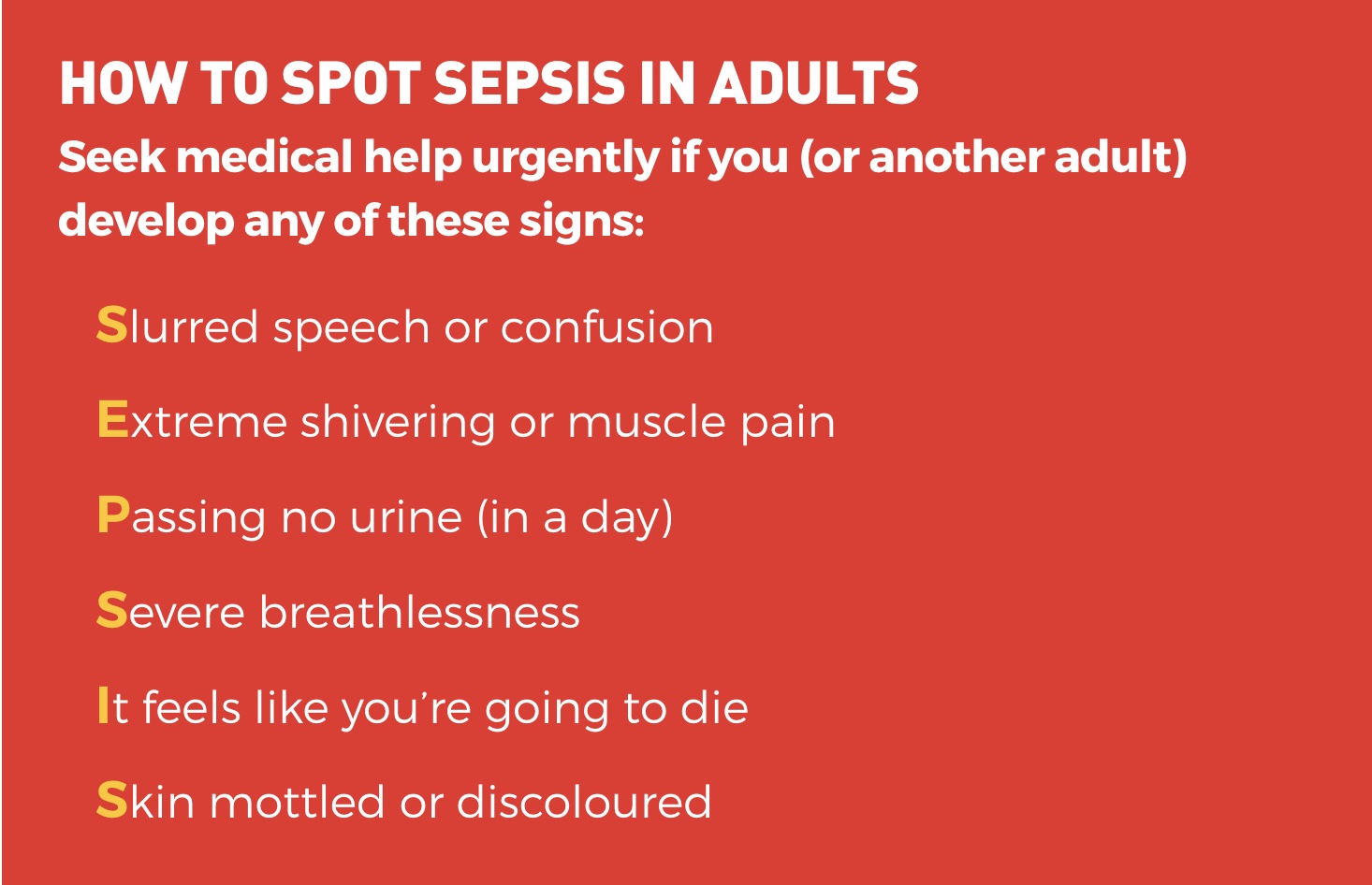
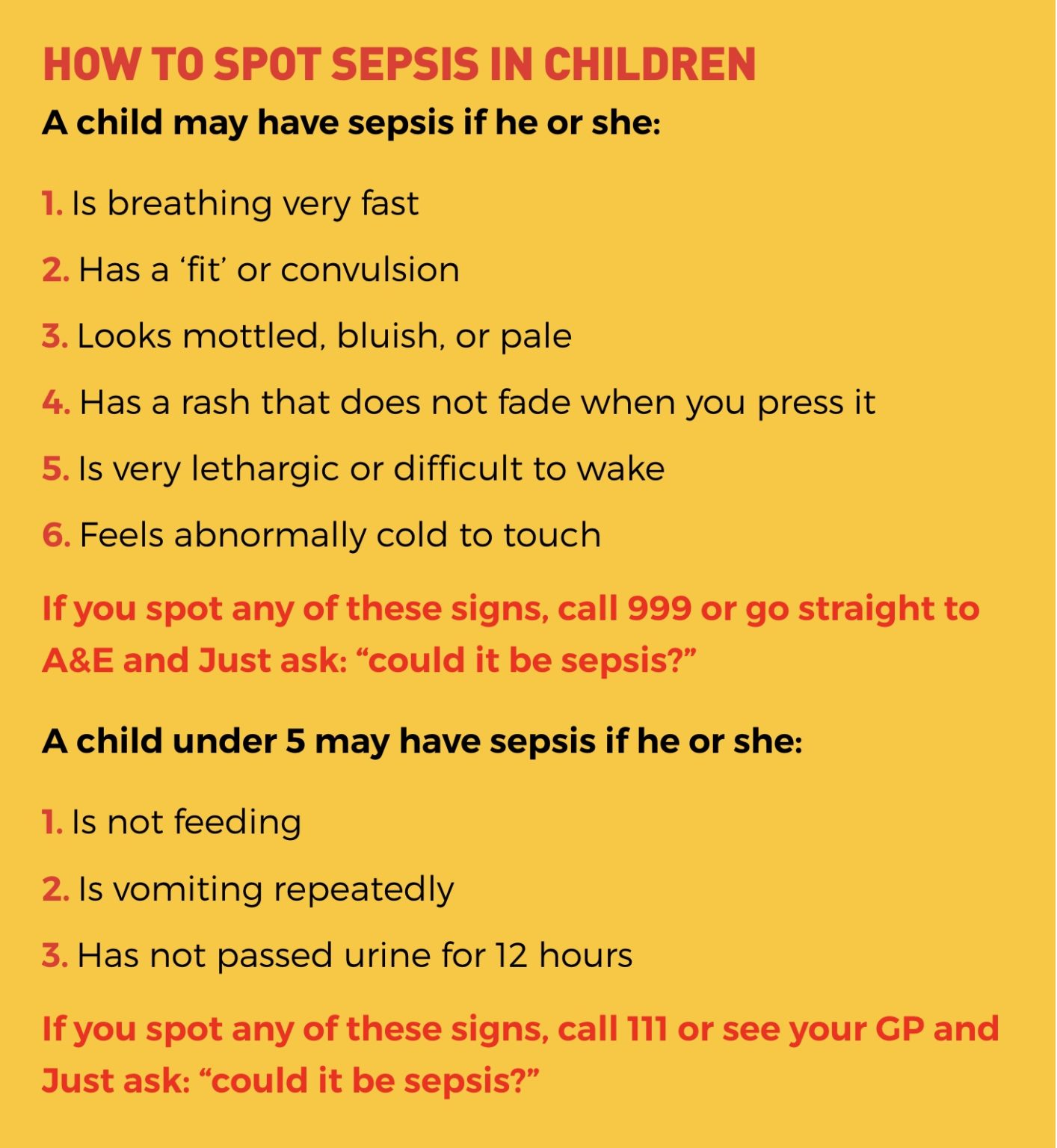
How to spot sepsis
Sepsis is a life-threatening reaction to an infection. It can get worse quickly. If someone is seriously unwell and may have sepsis, call 999 or go to your nearest Emergency Department. Do not wait for every sign, a high temperature or a rash.
An unwell child under 5 who has not had a pee or wet nappy for 12 hours needs emergency assessment. If you are unsure and there are no emergency signs, call NHS 111 for advice.
Sources
- NHS - Eyelid problemshttps://www.nhs.uk/symptoms/eyelid-problems/
- NHS - How pharmacies can helphttps://www.nhs.uk/nhs-services/pharmacies/how-pharmacies-can-help/
- NHS - Styehttps://www.nhs.uk/conditions/stye/
- NHS - Sepsishttps://www.nhs.uk/conditions/sepsis/
- NHS - When to use NHS 111https://www.nhs.uk/nhs-services/urgent-and-emergency-care-services/when-to-use-111/