RFSymptoms: Safety netting advice
AdultsChest pain
DATE LAST REVIEWED: 05/11/2026
When to seek further review
- Get medical advice for chest pain that comes and goes, keeps returning, or remains unexplained, even if a previous episode was reassuring.
- If assessed as safe to manage at home, follow the agreed review plan. Get urgent help for any change in the pain or new symptoms rather than waiting a set number of days.
- Get urgent advice for a small amount of blood in the phlegm; use the emergency advice below if there is also chest pain, breathlessness, faintness or more than a few streaks of blood.
- Do not wait for the suggested review time if symptoms become worse, new symptoms appear, or you are worried.
- If you need medical advice and are unsure which service can help, call NHS 111. This includes when your GP is closed or you cannot get the help you need. NHS 111 can direct you to an appropriate local service. You can call even if you are not sure whether symptoms are serious.
When to get emergency help
(Immediately dial 999 or go to your nearest Emergency Department)
- Sudden chest pain or discomfort that does not go away, including tightness, pressure, squeezing, burning or a heavy feeling.
- Chest pain spreading to an arm, the neck, jaw, back or tummy.
- Chest pain with sweating, feeling sick, light-headedness or shortness of breath.
- Chest pain with fainting, collapse, severe breathing difficulty or coughing up a significant amount of blood.
- Severe difficulty breathing, such as gasping or being unable to speak normally.
- New confusion or not making sense when speaking.
- Being very difficult to wake.
- Collapse or loss of consciousness.
- Blue, grey, unusually pale or blotchy skin or lips, especially when feeling very unwell.
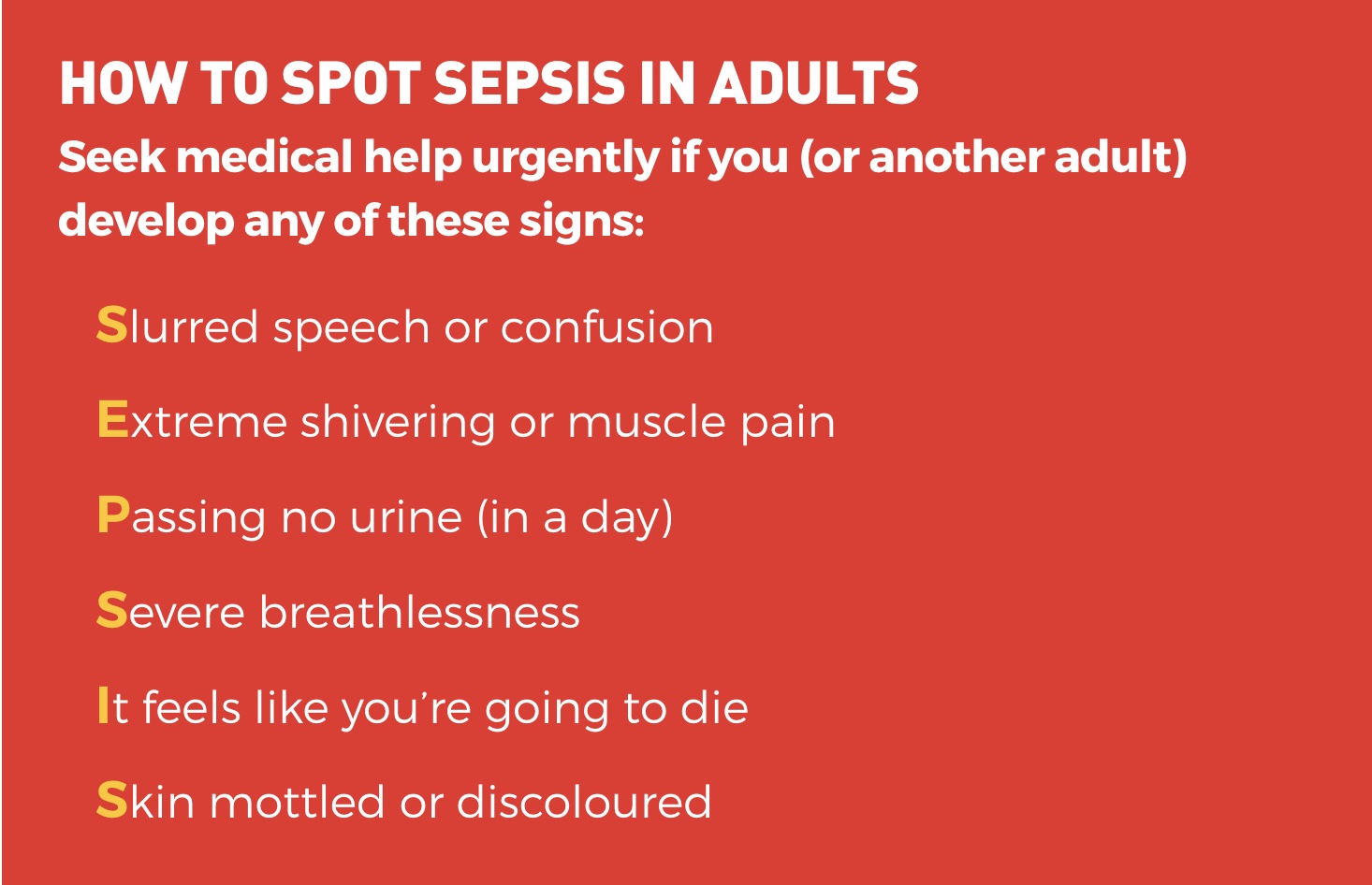
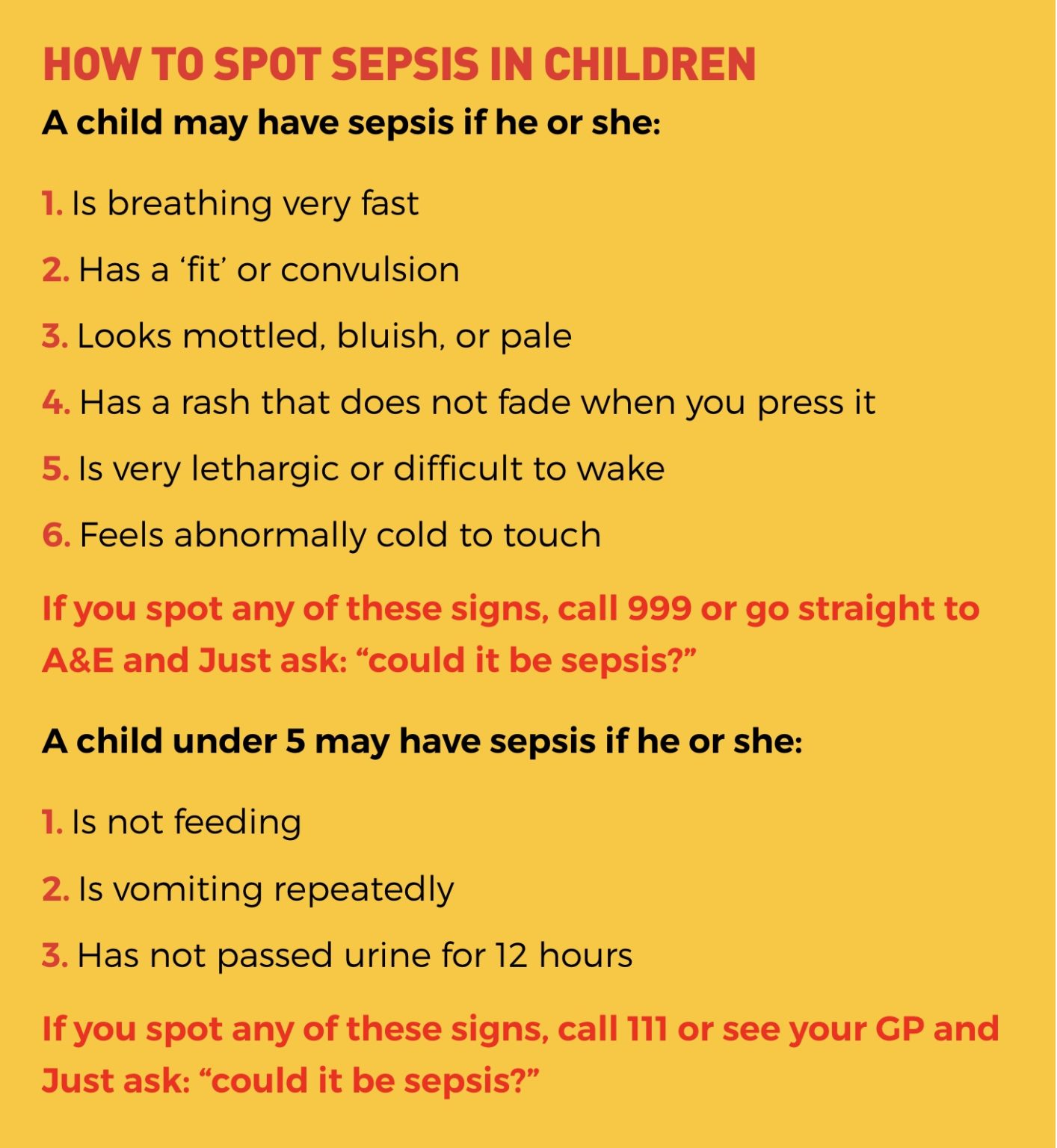
How to spot sepsis
Sepsis is a life-threatening reaction to an infection. It can get worse quickly. If someone is seriously unwell and may have sepsis, call 999 or go to your nearest Emergency Department. Do not wait for every sign, a high temperature or a rash.
An unwell child under 5 who has not had a pee or wet nappy for 12 hours needs emergency assessment. If you are unsure and there are no emergency signs, call NHS 111 for advice.
Sources
- NHS - Chest painhttps://www.nhs.uk/symptoms/chest-pain/
- NHS - Sepsishttps://www.nhs.uk/conditions/sepsis/
- NHS - When to use NHS 111https://www.nhs.uk/nhs-services/urgent-and-emergency-care-services/when-to-use-111/